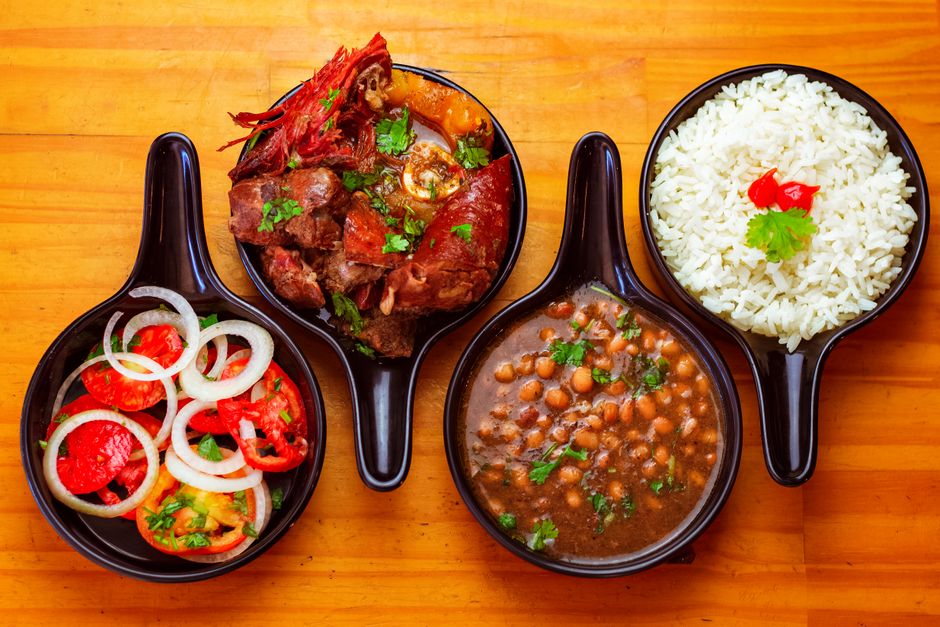
Garri is arguably Nigeria's most beloved staple food — from the student soaking it with groundnuts in a hostel room in Ibadan, to the Lagos professional grabbing a quick eba dinner after a long day. But if you've ever opened your garri bag only to find it clumped, damp, or smelling off, you already know that how to store garri properly is a skill every Nigerian household needs. Done right, garri can stay fresh, dry, and delicious for three to six months — sometimes even longer. This guide gives you the practical, no-nonsense steps to make that happen.
Why Garri Goes Bad: Understanding the Enemy
Before we talk solutions, let's talk about what actually ruins garri. There are three main culprits:

- Moisture: Garri is hygroscopic — it absorbs water from the air. Even a slightly humid kitchen can cause it to clump and grow mould over time.
- Pests: Weevils and other pantry insects love garri. Once they get in, the whole batch is compromised.
- Oxygen and light: Exposure to air causes garri to lose its sharp, slightly sour flavour and go stale faster than you'd expect.
In most Nigerian homes — especially during the rainy season in Oyo State, Rivers State, and other humid regions — moisture is the number one killer of stored garri. Tackle moisture and you've won most of the battle.
The Right Way to Store Garri Properly at Home
Follow these steps and your garri will last significantly longer:
- Use airtight containers: Forget the open bag or loosely tied nylon. Transfer your garri into food-grade airtight plastic containers or glass jars immediately after purchase. This single step makes the biggest difference.
- Keep it dry before storing: If you bought garri from an open market — whether in Bodija Market in Ibadan, Mile 12 in Lagos, or Wuse Market in Abuja — spread it on a clean tray and let it dry for 30 minutes before sealing. Market garri often carries trace moisture.
- Add a food-safe desiccant or bay leaves: Toss two or three dry bay leaves into the container. Bay leaves are a natural insect repellent that won't affect the taste of your garri. Alternatively, you can place a small sealed sachet of food-safe silica gel on top before closing the lid.
- Store in a cool, dark place: A kitchen cupboard away from the stove works perfectly. Avoid storing garri near the window, the sink, or anywhere that gets warm and damp.
- For very large quantities, consider the freezer: If you bought garri in bulk — say, a 25 kg or 50 kg bag — portion it into smaller airtight bags and freeze what you won't use in the next month. Frozen garri thaws quickly and tastes exactly the same.
How Buying Garri in Bulk Saves You Money — and How to Afford It
Here's the honest truth: garri is almost always cheaper per kilogram when you buy in larger quantities. A 1 kg pack from a neighbourhood shop in Ibadan might cost ₦800–₦1,000, but a 10 kg bag from a wholesale market could cost as little as ₦5,500–₦6,500 — saving you up to 35%. The same logic applies to other staples like rice, beans, and palm oil.
The problem most families face isn't knowledge — it's cash flow. You know buying in bulk saves money, but you don't always have ₦15,000–₦30,000 sitting free at the start of the month to spend on food at once. That's exactly the gap that FoodBank.ng was built to close. On FoodBank.ng you can order your staple foods now, pay 50% upfront, and spread the remaining balance over two months at 0% interest — no hidden charges, no collateral required. Civil servants in Oyo State and beyond can even use the convenient salary-deduction option so repayments happen automatically.
Proper garri storage and smart bulk buying go hand in hand: store it right, and a bulk purchase you spread the cost of today will feed your family for months.
Ready to stock up on garri and other Nigerian staples without straining your budget? Sign up on FoodBank.ng today and enjoy Nigeria's #1 food Buy Now Pay Later platform — or if you already have an account, sign in and place your order right now. Your kitchen deserves to be full, and your wallet deserves a break.