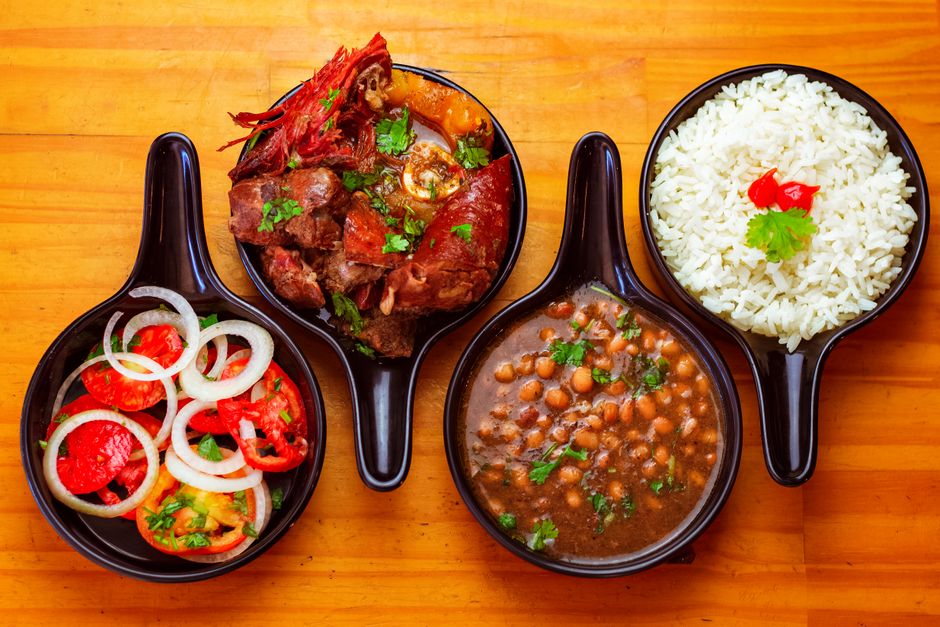
Feeding a family of five on ₦50,000 a month in Nigeria sounds like a joke — until you actually sit down, make a plan, and stick to it. With food prices climbing every market day, every naira has to work harder than the last. But it is doable. Thousands of Nigerian families are managing it right now, and this guide will show you exactly how — from what to buy, where to buy it, and how platforms like FoodBank.ng can take the pressure off when your wallet runs dry before the month ends.
Build Your Meal Plan Around Nigerian Staple Foods
The secret to feeding a family of five on a tight budget is anchoring your meals to affordable, filling staples. Think garri, beans, rice, yam, plantain, and maize. These foods are high in carbohydrates and calories, meaning smaller portions go further. A well-cooked pot of ẹgusi soup with stockfish and crayfish can feed five people across two to three meals.

- Breakfast: Ogi (pap) with akara, or bread with groundnut — budget around ₦500–₦700 per morning.
- Lunch: Rice and stew, or yam and egg sauce — roughly ₦800–₦1,200 per meal for five people.
- Dinner: Beans and plantain, or eba with vegetable soup — ₦600–₦1,000 per evening.
At the high end, that is about ₦3,000 per day, which brings you to roughly ₦90,000 a month — still too high. The trick is to batch-cook and rotate. Cook a big pot of beans on Sunday and stretch it over three days. Make a large pot of soup every five days instead of every two. Reduce meat portions and bulk up with more vegetables, crayfish, and dried fish, which are flavourful but far cheaper per gram of protein.
Shop Smart: Markets Beat Supermarkets Every Time
If you are shopping in a supermarket, you are spending at least 30–40% more than you need to. Bodija Market in Ibadan, Mile 12 Market in Lagos, and Wuse Market in Abuja offer the same tomatoes, peppers, and grains at significantly lower prices. Buy in bulk where you can — a 50kg bag of rice purchased with a neighbour or relative costs far less per kilogram than buying in smaller quantities week by week.
Here is a rough monthly shopping breakdown for a family of five at ₦50,000:
- Rice (10kg bag × 2): ₦8,000–₦10,000
- Beans (5kg): ₦4,000–₦5,000
- Garri (10kg): ₦3,000–₦4,000
- Yam (small tubers): ₦3,000
- Tomatoes, peppers, onions: ₦5,000–₦7,000
- Palm oil (3 litres): ₦3,000–₦4,000
- Crayfish, dried fish, stockfish: ₦5,000–₦6,000
- Vegetables (spinach, ugu, waterleaf): ₦2,000–₦3,000
- Eggs (crate): ₦3,500–₦4,500
- Seasoning, salt, maggi: ₦1,500–₦2,000
- Bread, groundnut, other snacks: ₦2,000–₦3,000
Total: approximately ₦40,000–₦49,000, leaving a small buffer for top-ups. The key is discipline — no impulse buys, and always bring a list to the market.
When Money Gets Tight, Buy Food on Credit the Smart Way
Even the most disciplined family hits a rough patch — salary delays, school fees, a medical bill that wipes out the food budget. This is where buying food on credit in Nigeria through a trusted platform makes all the difference. On FoodBank.ng, you can order your family's food essentials, pay just 50% upfront, and spread the remaining balance over two months at zero percent interest. No collateral, no hidden charges, no stress.
FoodBank.ng is especially popular with civil servants across Oyo State and beyond, thanks to a salary-deduction programme that makes repayment completely automatic — your balance is deducted from your next paycheck so you never miss a payment or fall into debt. Whether you are in Ibadan, Lagos, or Abuja, you can browse food items, place an order, and have your groceries sorted without waiting until payday.
Feeding a family of five on ₦50,000 a month is not easy, but it is absolutely possible with a solid plan, smart shopping habits, and the right support system. Ready to take control of your family's food budget? Sign up on FoodBank.ng today and discover how flexible, interest-free food credit can bridge the gap when it matters most. Already a member? Sign in to place your next order and keep your family well-fed, no matter what the month throws at you.