
Buy Now Pay Later for Nigerian Businesses Is No Longer Optional
Walk into any busy market in Lagos, Ibadan, or Abuja today and you will notice something different: customers are not just asking "how much?" They are asking "can I pay in parts?" Buy now pay later for Nigerian businesses has moved from a fintech buzzword to a genuine checkout expectation, and merchants who ignore it are quietly losing sales to competitors who offer it. Whether you run a grocery shop, a food cooperative, or a bulk supply store, adding BNPL to your checkout could be the single biggest growth lever you pull this year. Here are the 5 reasons savvy Nigerian businesses are already doing exactly that.
-
1. Customers Spend More When They Can Split the Bill
Offering BNPL at checkout removes the mental block that stops customers from buying bigger baskets. When a shopper knows they only need to pay 50% upfront today and spread the rest over two months at 0% interest, a ₦20,000 grocery order suddenly feels as manageable as a ₦10,000 one. On FoodBank.ng, merchants consistently see average order values climb because customers are no longer forced to trim their carts to fit their wallet on a single day. More items per order means more revenue per visit, without any extra marketing spend on your part.
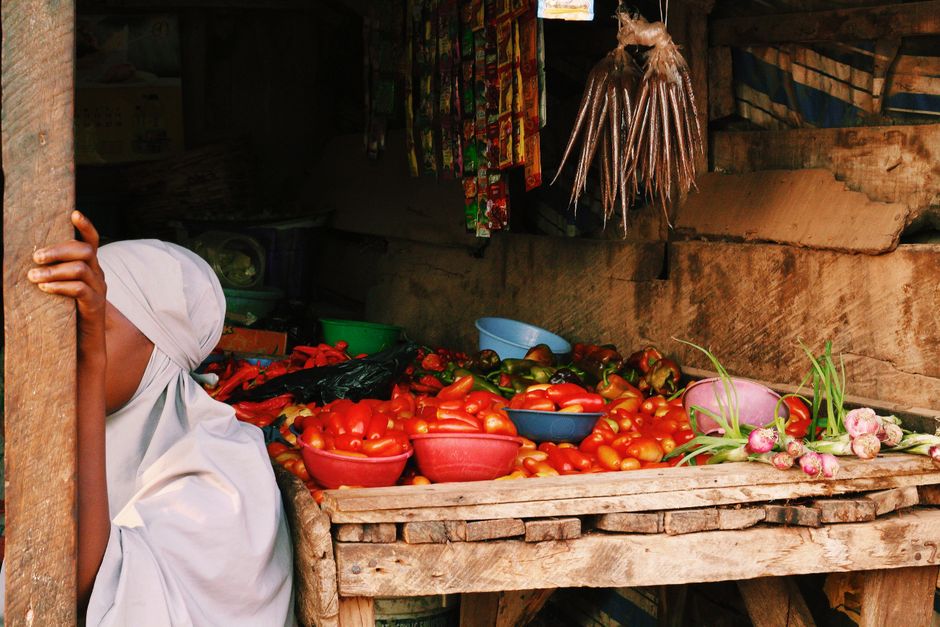
Photo by Muhammad-Taha Ibrahim via Pexels -
2. Buy Now Pay Later Attracts Civil Servants and Salary Earners
Nigeria's millions of civil servants represent a massive, predictable spending pool, and BNPL is tailor-made for them. Salary deduction food credit schemes mean repayments are collected automatically from payroll, so the default risk drops to near zero for the merchant. A Lagos state teacher earning ₦85,000 a month may struggle to spend ₦30,000 on groceries in one shot, but they will happily commit to ₦15,000 today and ₦7,500 each month for two months. Businesses that plug into platforms like FoodBank.ng gain instant access to this creditworthy, repeat-buying audience without building any credit infrastructure themselves.
-
3. Zero-Interest Installment Payments Build Customer Loyalty
When customers trust that there are no hidden fees on their installment plan, they come back, again and again. A 0% interest grocery loan is a powerful loyalty tool because it feels like a genuine benefit, not a debt trap. Businesses that shout "split your payment, no interest, no catch" at their checkout stand out in a market where many customers have been burned by predatory lending. The result is repeat purchases and word-of-mouth referrals that no billboard can buy. One satisfied customer telling three neighbours "that shop lets you pay in halves, no extra charge" is worth more than a month of social media ads.
-
4. Merchant BNPL Integration Is Faster and Cheaper Than It Looks
Many Nigerian business owners assume adding buy now pay later to their checkout requires a complex tech setup, but the reality is far simpler. Platforms like FoodBank.ng are designed so that even a shop with no dedicated website can onboard and start offering installment payments to customers quickly. There are no expensive point-of-sale hardware costs and no need to hire a developer. The platform handles credit checks, payment scheduling, and collections, so the merchant simply fulfils the order and receives their money. For small and medium food businesses operating on thin margins, this risk-free model is a game-changer.
-
5. Buy Now Pay Later for Nigerian Businesses Reduces Cart Abandonment
Price shock at checkout is one of the top reasons Nigerian shoppers abandon their carts, both online and in physical stores, and BNPL fixes this instantly. When a customer adds ₦25,000 worth of staples to their basket and then sees the total, they often put items back or walk away. The moment you show them a "Pay ₦12,500 today, nothing extra later" option, the sale is rescued. For online food merchants especially, reducing cart abandonment by even 20% can translate into hundreds of thousands of naira in recovered revenue every month. Checkout flexibility is no longer a nice-to-have; it is a conversion tool.
Quick Comparison: Checkout With and Without BNPL
- Without BNPL: Customer sees ₦24,000 total, puts back rice and cooking oil, spends ₦11,000.
- With BNPL: Customer pays ₦12,000 today, keeps the full basket, returns next month to restock.
- Difference: More than double the basket size, and a loyal repeat customer created.
Is Your Business Ready to Offer Buy Now Pay Later?
The five reasons above are not theories. They are patterns playing out in food businesses across Oyo State, Lagos, and beyond, right now. Nigerian shoppers have embraced the idea of splitting food payments because it makes sense for how salaries actually land: once a month, in a lump sum that has to cover everything. Businesses that meet customers at that reality will win their loyalty. Those that do not will keep watching those customers walk to the competitor down the road who does.
FoodBank.ng makes it straightforward for merchants to offer installment payments at checkout with 50% down and the balance spread over two months at 0% interest, and with a civil servant salary-deduction programme that all but eliminates repayment risk. If you are a Nigerian business owner ready to grow your average order value, attract salary earners, and stop losing sales at checkout, now is the time to act. Sign up on FoodBank.ng today to get your business onboarded, or if you are already with us, sign in and explore the merchant dashboard to see exactly how much revenue your BNPL option is already recovering for you.


