
If you've visited any market in Lagos, Abuja, or Ibadan lately, you already know the truth: Nigeria food price trends are moving in one uncomfortable direction, upward. A bag of rice that cost ₦28,000 two years ago now sits at ₦75,000 or more in many markets. Beans and garri have followed the same painful curve. Understanding why these changes happen, and what to expect next, is the first step to protecting your household budget.
Current Nigeria Food Price Trends: Rice, Beans, and Garri
Let's look at where the three most important staples stand as of mid-2025:
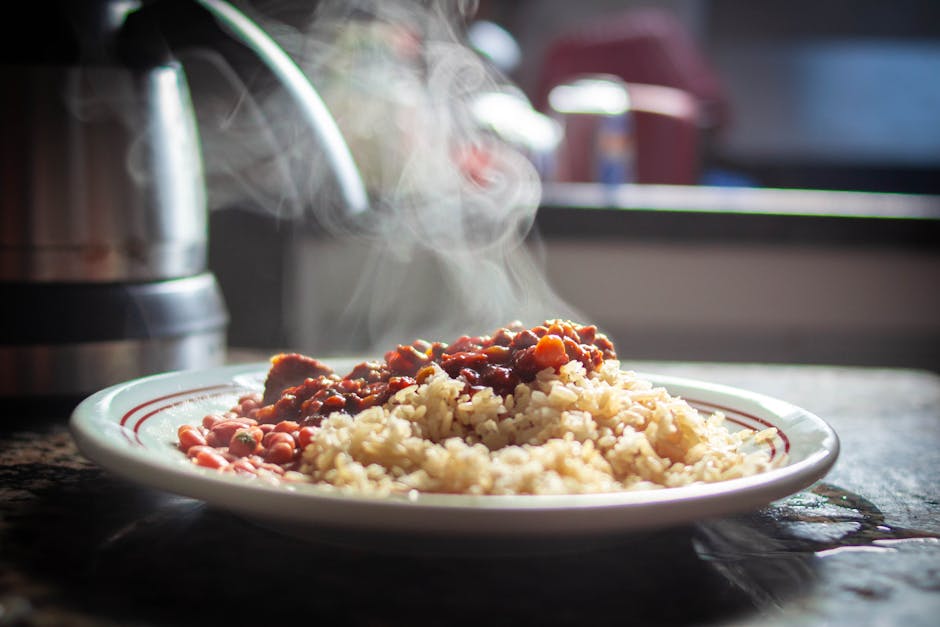
- Rice (50kg bag): Local parboiled rice ranges from ₦70,000 to ₦85,000 depending on the market. Imported foreign rice can push past ₦90,000 in some Abuja supermarkets. Local varieties from Kebbi and Ebonyi states remain the more affordable choice.
- Beans (oloyin/brown beans, 50kg): Prices hover between ₦85,000 and ₦100,000 in most southern markets including Bodija Market in Ibadan and Mile 12 in Lagos. Dry season shortages typically push this even higher between January and March.
- Garri (yellow or white, 100kg): The beloved cassava staple remains the most accessible, ranging from ₦35,000 to ₦55,000 per bag, though yellow garri from the Midwest commands a premium.
These are not just numbers, they represent real strain on civil servants, market traders, and everyday families trying to feed themselves well on tight incomes.
What Is Driving Food Prices Up in Nigeria?
Several interconnected forces are pushing food costs higher across the country:
- Fuel and transport costs: Since the removal of the petrol subsidy, moving goods from farms in Benue, Kebbi, or Ogun to urban markets has become significantly more expensive. Transporters pass this cost directly to buyers.
- Foreign exchange pressure: Nigeria imports a significant share of its rice and wheat. A weaker naira means imported goods cost more in local currency, and even locally grown items now compete with inflated global prices.
- Seasonal farming cycles: Beans and garri prices spike sharply between November and February when harvest supplies dwindle. Planning your bulk purchases ahead of these lean months can save you tens of thousands of naira.
- Insecurity in farming communities: Disruptions in key food-producing states reduce the volume of crops reaching markets, shrinking supply while demand stays constant.
What Should Nigerian Households Expect Going Forward?
Food economists and market watchers suggest that price relief will be slow and uneven. Here is what's likely to shape the next 6 to 12 months:
- Local rice production is expanding thanks to government investment in irrigation, which could gradually ease rice prices, but the effect will take time to reach your local market.
- Garri is expected to remain the most stable and affordable staple, making it a smart anchor for household food planning.
- Beans prices will likely stay volatile due to their sensitivity to rainfall patterns and road access in farming zones.
- Buying in bulk during harvest seasons (roughly April–June and October–November) remains one of the most effective strategies to lock in lower prices.
One practical move many Nigerian families and civil servants are making is buying bulk staples in larger quantities when prices dip, but that requires having access to cash at the right moment. On FoodBank.ng you can order staples like rice, beans, and garri and pay 50% upfront with the balance spread over two months at 0% interest. That means you can act on a good market price today without waiting until payday wipes you out.
FoodBank.ng was built in Ibadan, Oyo State, specifically to solve this problem for Nigerian families. The civil servant salary-deduction programme makes it even easier, your food payment is deducted smoothly from your monthly salary so there's no cash crunch and no interest charges eating into your budget.
Don't let rising food prices catch your family off guard. Take control of your food budget today. Sign up on FoodBank.ng to access Nigeria's #1 food BNPL platform and start buying your staples smarter. Already a member? Sign in and place your next order before prices climb again.


