
Why Moin Moin Deserves a Spot on Your Budget Menu
Moin moin is one of Nigeria's most beloved dishes, and for good reason. It is protein-rich, filling, and genuinely delicious. But mention making it at home and many people immediately think of the cost: beans, fresh tomatoes, peppers, fish, eggs, crayfish. Add it all up and the bill can creep higher than expected, especially when the month is running thin.
The good news is that a solid pot of moin moin does not have to drain your wallet. With a few smart choices, you can feed a family of four for as little as ₦2,500 to ₦3,500, depending on your market and the fillings you choose. This cheap moin moin recipe Nigeria guide will show you exactly how to do it.
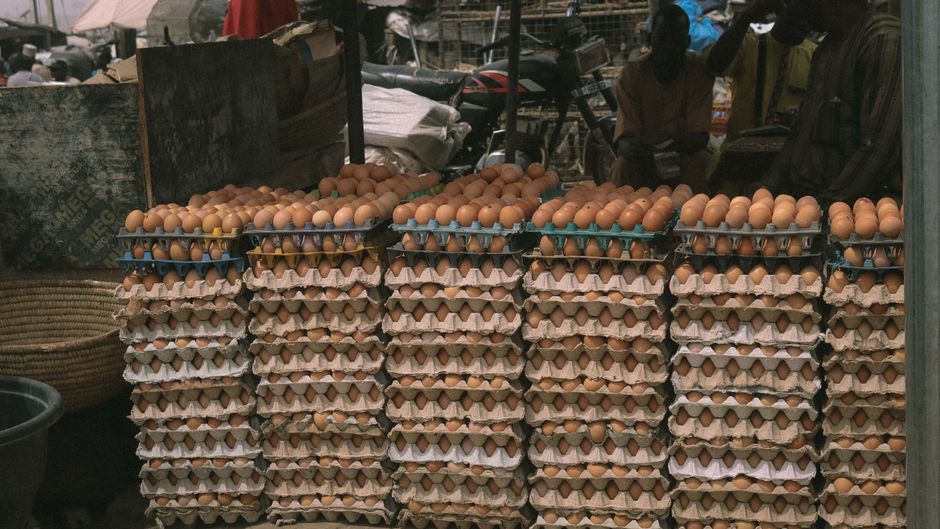
Start Smart: Buy Your Beans the Right Way
Beans are the foundation of moin moin, and where you buy them makes a real difference. At open markets like Bodija in Ibadan or Mile 12 in Lagos, a mudu of black-eyed beans (oloyin or brown beans) costs roughly ₦600 to ₦900, compared to ₦1,200 or more at a supermarket. One mudu gives you enough batter for 10 to 14 wraps.
Even better, buy pre-peeled beans when available. Yes, they cost slightly more per cup, but you save at least 30 minutes of soaking and peeling time, and you waste less beans overall. If you peel your own, soak for 20 minutes, rub vigorously, and float the skins off with water. Patience here saves real money by reducing waste.
- Buy in bulk: Split a 2kg bag with a neighbour or family member. Buying bigger brings the per-serving cost down noticeably.
- Choose open markets over supermarkets: You can save ₦200 to ₦500 per mudu at places like Oja Oba in Ibadan or Wuse Market in Abuja.
- Store leftover dry beans properly: Keep in an airtight container to prevent weevils, so nothing goes to waste next time.
Affordable Fillings That Still Taste Incredible
The filling is where moin moin costs can quietly spiral. A full fish, boiled eggs for every wrap, and generous crayfish can push your spend well past ₦5,000. Here is how to keep flavour high and cost low.
- Use one boiled egg for every two wraps by slicing rather than whole-egging each one. No one will feel cheated, we promise.
- Swap fresh fish for stockfish offcuts or sardines. A small tin of sardines in tomato sauce costs around ₦400 and goes a surprisingly long way when flaked into the batter.
- Dry pepper beats fresh pepper on budget days. A ₦100 sachet of ground pepper works just as well as blending fresh tatashe and scotch bonnet that cost three times as much.
- Crayfish: buy ground, not whole. Ground crayfish at ₦200 to ₦300 for a small wrap seasons the whole batch. Whole crayfish often gets ground anyway, so skip the markup.
- Season boldly with what you have. A good seasoning cube (₦50), onion, and salt are non-negotiables. Everything else is a bonus.
With these swaps, your total ingredient spend for a generous batch sits comfortably between ₦2,500 and ₦3,500, including wrapping material.
Wrapping Without Waste
Traditional moin moin wrapped in leaves (ewe eran or banana leaves) is beautiful, but the leaves are not always easy or cheap to find outside Yoruba-speaking states. A roll of foil or small nylon bags costs ₦200 to ₦400 at any market and gets the job done perfectly. If you can find leaves for free in your compound or neighbourhood, even better. Rinse, wilt them briefly over heat, and wrap tightly.
For cooking, you do not need a special pot. A wide, deep pot with a wire rack or old bottle caps at the bottom keeps the wraps off direct heat. Steam on medium heat for 45 to 55 minutes and you are done.
Make It a Habit, Not a Luxury
The secret to budget cooking in Nigeria is not cooking less; it is cooking smarter. Moin moin is one of those dishes that rewards planning. Make a big batch on a Sunday, refrigerate, and it serves as breakfast, lunch addition, or a quick dinner for days. That ₦3,000 batch easily covers 10 to 14 servings, which works out to roughly ₦250 per serving. Try beating that at any buka in Lagos or Ibadan.
On FoodBank.ng, you can stock up on pantry staples like beans, crayfish, ground pepper, and seasoning cubes using our 0% interest, buy-now-pay-later plan. Put down 50% upfront and spread the rest over two months with zero extra charge, so your kitchen stays stocked even when cash flow is tight. It is how smart Nigerian households are stretching their food budgets right now.
Ready to cook more and spend less? Sign up on FoodBank.ng today and get your groceries on your own terms, or if you already have an account, sign in and place your next order. And while you are at it, Pay a bill and earn cashback on airtime, data, electricity, or cable TV right here on FoodBank.ng and get 1% back (capped at ₦100 per payment). Every naira counts.


