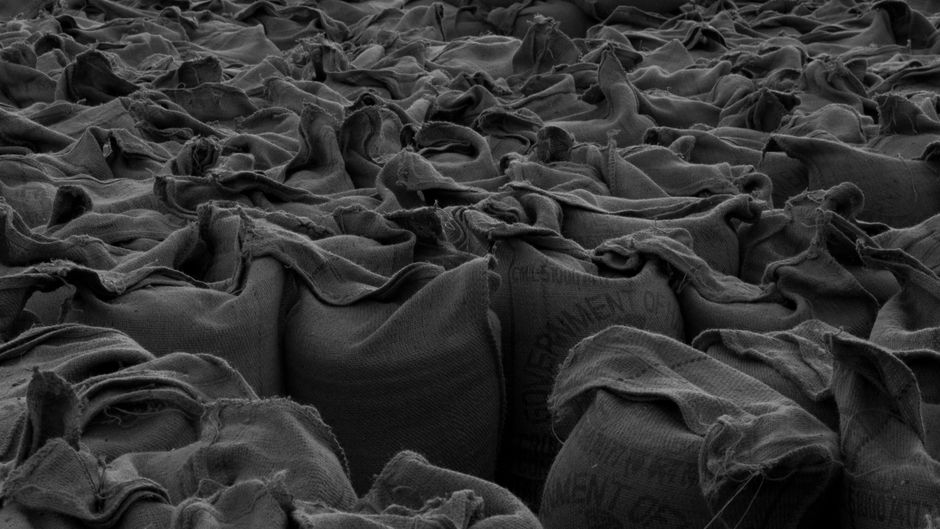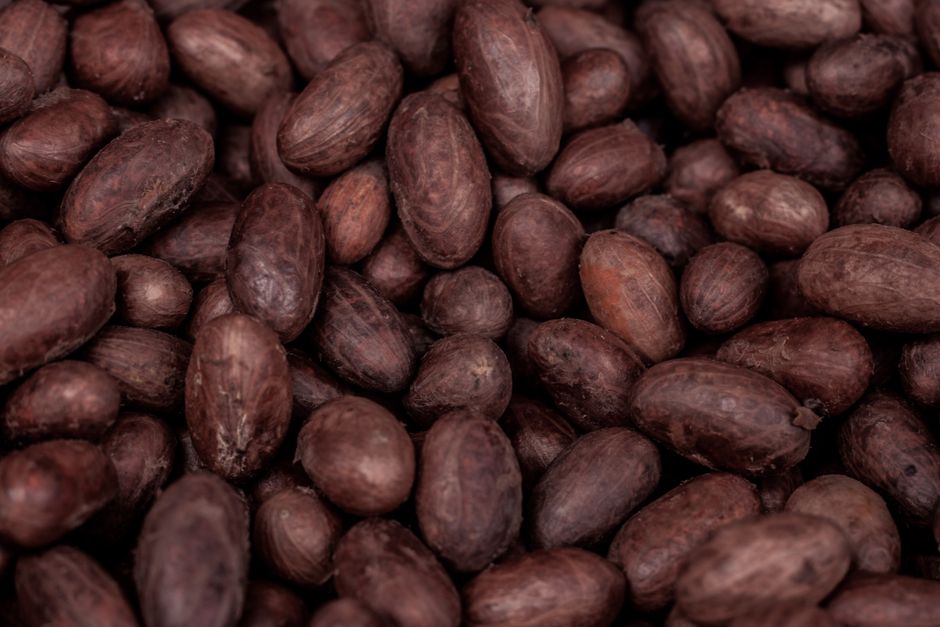
If you store beans, rice, or maize at home in Nigeria, you have almost certainly opened a bag weeks later to find tiny brown weevils crawling through your grains. Keeping weevils away from beans and grains in Nigeria is one of the most practical food skills any household can master — because losing a 10 kg bag of oloyin beans or local rice to pests is money straight in the bin. The good news is that you do not need expensive chemicals to win this battle. Simple, locally available solutions work very well.
Why Weevils Attack Your Beans and Grains
Weevils — especially the grain weevil (Sitophilus granarius) and the bean weevil (Acanthoscelides obtectus) — are small beetles that lay eggs inside or on the surface of grains before you even buy them at the market. The eggs hatch in warm, humid conditions, which is exactly what Nigerian homes provide year-round. Once the larvae are active, a single bag of honey beans or ofada rice can be completely ruined within two to three months.
The key factors that speed up weevil damage include:
- High humidity — common during rainy season in Ibadan, Lagos, and Port Harcourt
- Warm temperatures — anything above 25°C accelerates egg hatching
- Oxygen-rich storage — open or loosely tied bags invite infestation
- Buying already-infested stock — a risk in open markets where grains sit for weeks
Proven Nigerian Methods to Keep Weevils Away from Beans and Grains
Generations of Nigerian mothers and market women have developed reliable, affordable methods for protecting stored food. Here are the most effective ones:
- Bay leaves (dried efinrin leaves): Place 10–15 dried bay leaves inside a bag of beans or grains. Weevils hate the volatile oils. Replace every 3 months.
- Dried chilli pepper: Mix a handful of dried tatashe or ata ijosi into your grain storage container. The capsaicin repels weevils naturally.
- Neem leaves: Dried neem (dogonyaro) leaves scattered through a storage bag are a trusted method across Oyo State and Kano. Neem's azadirachtin compound is a powerful natural insect repellent.
- Airtight containers: Transfer beans and rice from woven sacks into clean, airtight plastic buckets or food-grade drums. No oxygen means weevils cannot survive long. This is by far the single most impactful step you can take.
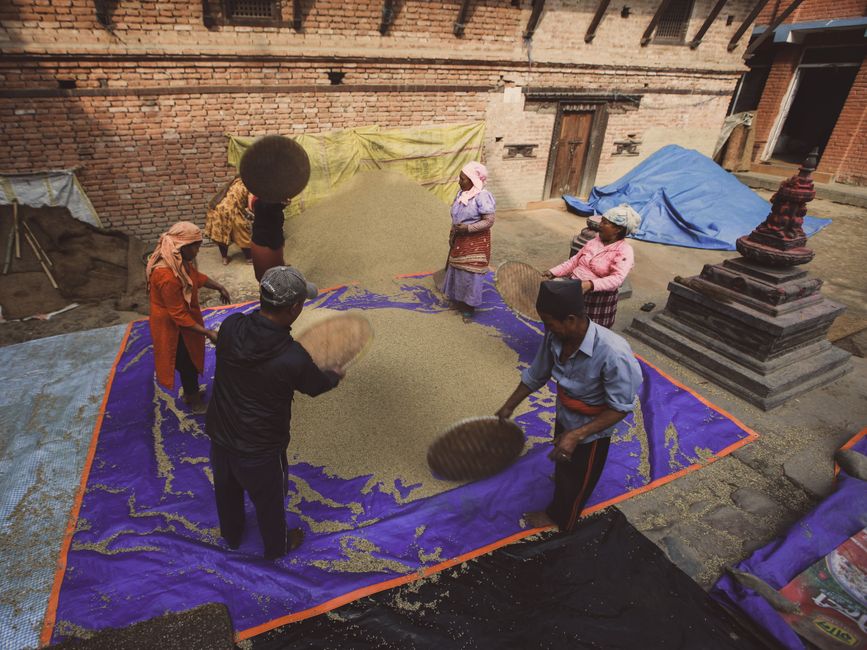
- Sun-drying before storage: Spread your grains on a clean tarpaulin and sun-dry for two to three hours before storing. This kills larvae already in the grain and reduces moisture content.
- Freezing small quantities: If you bought a 5 kg bag, divide it and freeze a portion for 72 hours before storing at room temperature. The cold kills all eggs and larvae.
- Wood ash: An older method used in rural Oyo and Kwara: mix a small quantity of clean wood ash through beans before sealing. Ash damages the insects' outer coating and dehydrates them.
Avoid using kerosene or petrol — a dangerous practice that contaminates your food and creates a serious health risk. The natural methods above are safe, cheap, and effective.
How Smart Bulk Buying Reduces Your Weevil Risk
One underrated strategy is buying the right quantity at the right time. Buying too much grain at once — especially during harvest season when moisture content is still high — increases your storage risk. Buy in manageable quantities every few weeks rather than stockpiling six months of beans in one go.
Of course, buying regularly means managing your food budget carefully. That is exactly where FoodBank.ng helps Nigerian families. On FoodBank.ng you can order quality staples — beans, rice, garri, semovita, and more — with just 50% down and spread the balance over two months at 0% interest. There are no hidden fees and no pressure. Civil servants in Oyo State and beyond can even use the convenient salary-deduction programme so food costs never catch them off guard.
By buying smaller, fresher batches through FoodBank.ng, you reduce the time your grains sit in storage, which directly cuts your weevil exposure. Fresher stock from a reliable supplier also means you are less likely to receive grain that was already infested before it reached your home.
Ready to take control of your household food supply? If you are new here, Sign up on FoodBank.ng today and start accessing quality grains and staples on flexible, interest-free credit. Already a member? Sign in and place your next order — fresh, pest-free staples delivered to your door.