Why Buying Food in Bulk in Nigeria Just Makes Sense
If you have ever watched your grocery bill creep higher every single month, you are not imagining things. Food prices in Nigeria have risen sharply — a 50 kg bag of local rice that cost around ₦28,000 in early 2023 now sells for upwards of ₦65,000 in many Lagos and Ibadan markets. One of the most practical ways to fight back is to buy food in bulk in Nigeria — purchasing larger quantities less frequently so you lock in today's price before the next price jump.
Bulk buying is not just for big families or traders. Even a couple or a small household can benefit enormously with the right strategy. The key is knowing what to buy, where to buy it, and how to store it so nothing goes to waste.

The Best Foods to Buy in Bulk in Nigeria
Not every food item is a good candidate for bulk buying. Perishables like fresh tomatoes or leafy vegetables will spoil before you use them. Stick to dry goods and long-lasting staples where your savings are real and your risk of waste is low.
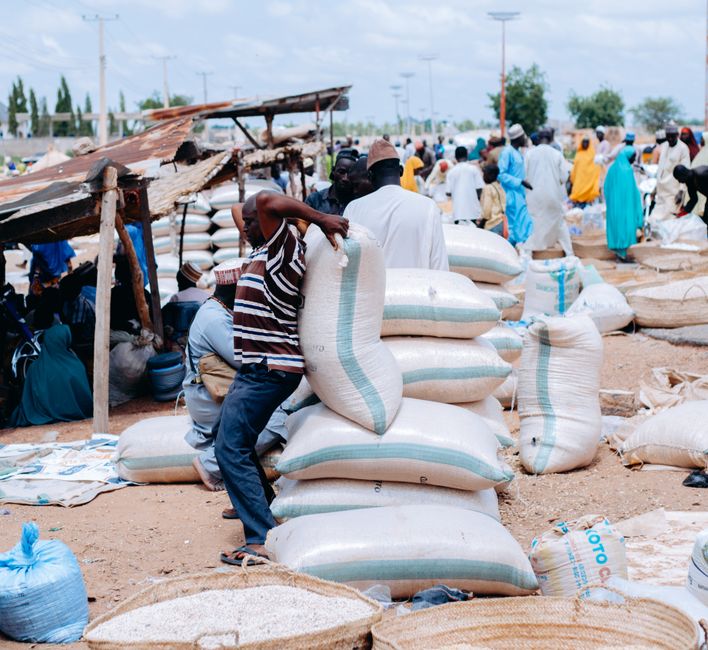
- Rice: A 50 kg bag from wholesale markets like Bodija Market (Ibadan) or Mile 12 Market (Lagos) can cost 10–15% less per kilogram than buying in smaller retail packs.
- Garri: Buy by the paint bucket or sack directly from traders at Oja Oba Market in Ibadan or Kuto Market in Abeokuta for significant savings.
- Beans (Black-eyed peas / Oloyin): Prices fluctuate seasonally — buying a 50 kg bag just after harvest (around October–December) locks in the lowest price of the year.
- Groundnut oil: Buy in 25-litre kegs rather than 75 cl bottles. The per-litre cost can drop by as much as ₦500–₦800.
- Semolina, wheat flour, and semo: These store well in airtight containers for 3–6 months and are significantly cheaper per unit at wholesale level.
- Tomato paste and canned sardines: Buying a carton of 48 tins at once at a depot in Trade Fair Complex (Lagos) or Challenge area (Ibadan) beats retail pricing handily.
- Dried crayfish and stockfish: Both dry well and last months. Bulk purchases from source markets in the East (or from large distributors in Abuja's Wuse Market) offer real savings.
Where to Shop for Bulk Food in Nigeria
Knowing where to shop is half the battle when it comes to bulk food shopping in Nigeria. Here are the best options depending on your city:
- Ibadan: Bodija Market and Oje Market are legendary for wholesale grain and produce pricing. Go early — by 8 a.m. — for the best deals before retail buyers arrive.
- Lagos: Mile 12 Market for fresh produce bought in crates or large quantities; Trade Fair Complex and Alaba Rago for canned goods, oil, and packaged staples at depot prices.
- Abuja: Wuse Market and Karimo Market are strong for grains and dry goods; Mararaba along the Nasarawa border often has cheaper prices than Central Abuja markets.
- Port Harcourt: Mile 1 Market and Rumuola Market are well-stocked for bulk rice, beans, and canned goods at competitive rates.
- Cooperative buying groups: Joining or forming a small buying cooperative with neighbours or colleagues means you can pool money to buy a full 50 kg bag and share it — splitting both the savings and the storage burden.
Smart Storage Tips So Nothing Goes to Waste
Bulk buying only saves you money if your food stays in good condition. Poor storage is where most Nigerians lose the gains they made at the market. Here is how to protect your investment:
- Store grains like rice, beans, and garri in airtight plastic drums or food-grade metal containers to keep out weevils and moisture. Add two or three dried bay leaves to bean storage — it is a natural, chemical-free weevil deterrent.
- Keep groundnut oil and palm oil in a cool, dark corner away from direct sunlight to prevent rancidity.
- Label everything with the purchase date so you rotate stock properly — oldest in front, newest at the back.
- For flat dwellers with limited space, use under-bed storage bins or dedicate a small wardrobe shelf as a dry-goods pantry.
When Your Budget Is Tight: How FoodBank.ng Helps You Buy in Bulk Now
Here is the honest challenge: bulk buying requires more upfront cash. A 50 kg bag of rice at ₦65,000 is a smarter long-term spend than buying 5 kg bags weekly for ₦8,000 each (₦104,000 over 13 weeks) — but finding that lump sum all at once can be hard, especially mid-month.
That is exactly the gap that FoodBank.ng was built to close. On FoodBank.ng, you can order your bulk food staples by paying just 50% upfront, with the remaining balance spread over two months at 0% interest. No hidden fees. No credit-score stress. Civil servants also benefit from a convenient salary-deduction programme that makes repayment completely effortless.
Think about it: instead of draining your account in one go, you get your 50 kg bag of rice or 25-litre keg of oil today, start using it immediately, and settle the balance comfortably across two months. That is bulk buying made genuinely accessible for every Nigerian household — whether you are in Ibadan, Lagos, Abuja, or anywhere in between.
Ready to start saving money on groceries Nigeria-style? Sign up on FoodBank.ng today and place your first bulk food order with our 50% down, 0% interest plan. Already have an account? Sign in and stock your pantry the smart way.